- E
- l
- R
ANIMALES - Short film about animal and human rights
0% complete
€125 raised of
5 donations
ESPAÑOL
(English below)
ANIMALES: un cortometraje de Fabio Uda.
Diez minutos para mirar la palabra con la que se justifica casi todo.
Apertura
Hay una categoría que la historia ha usado una y otra vez antes de someter a un grupo de personas humanas: animales. Se las llama o se las mira así para poder tratarlas así.
Esa palabra solo funciona como insulto porque ya hemos aceptado algo sobre los animales. ¿Qué?
ANIMALES es un cortometraje de menos de diez minutos que pone esa pregunta delante de los ojos.
¿Por qué esta película?
Porque las formas de opresión de nuestra época, aunque parezcan distintas, tienen un mecanismo común que casi nunca miramos. Y porque hay sufrimientos que aprendimos a dejar fuera de plano, y otros que solo vemos cuando le ocurren a alguien que se parece a nosotros.
El problema
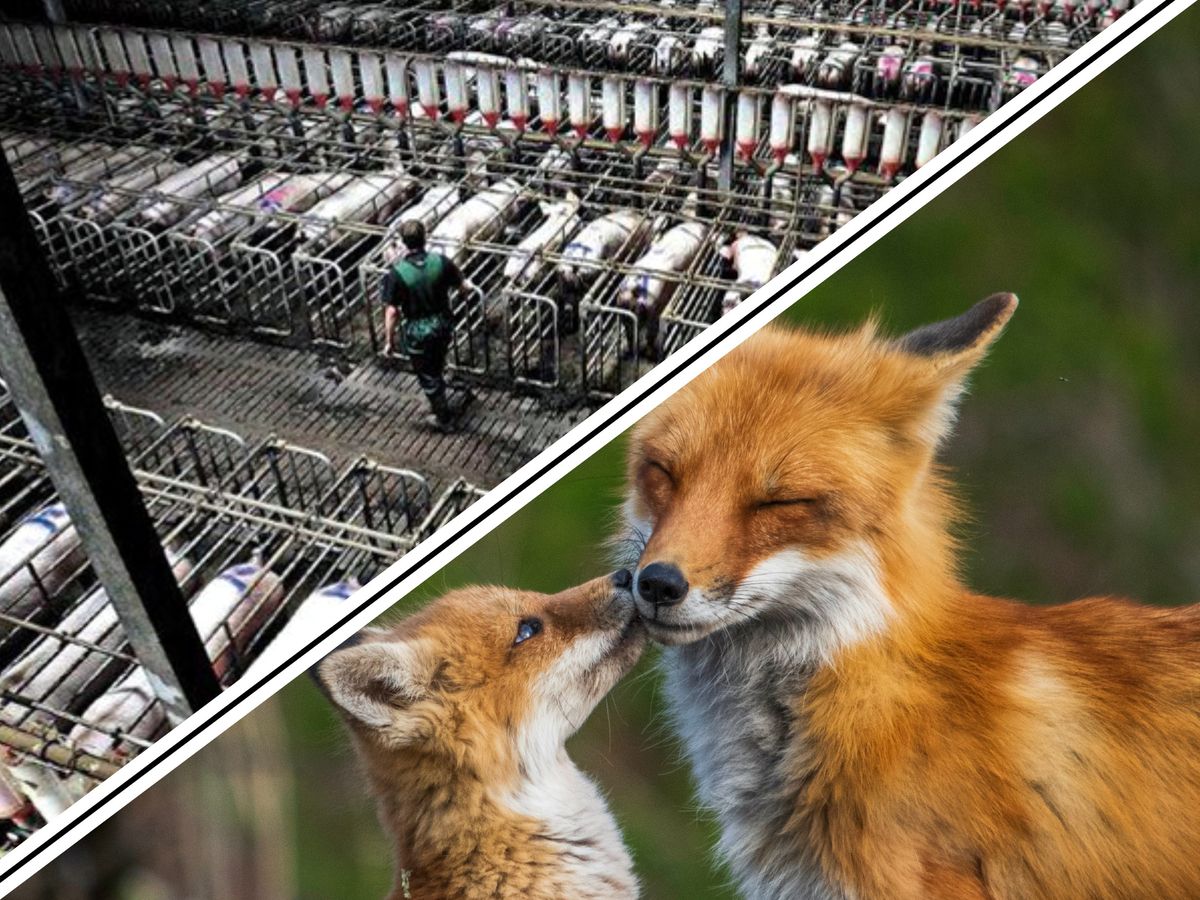
Llamamos "animales" a todos los seres vivos que no son humanos, como si fueran una sola cosa ajena a nosotrxs. Y esa palabra hace mucho trabajo: convierte a alguien en algo. Un recurso, un material, un producto. Un objeto sin derechos. También hay animales no humanos con nombre y cama, y otros con un número y nada más. A ambos les llamamos animales, entonces ¿en qué son diferentes? ¿Qué quiere decir ser animal entonces en cada caso?
Cuando un sistema quiere someter a un grupo de personas humanas, suele empezar por lo mismo: decir que son como animales. La pregunta no es solo qué hacemos a otros animales, sino qué necesitamos creer para poder hacerlo, y a quién más se lo hemos hecho después con la misma creencia.
La pregunta central
Si para oprimir a personas humanas hace falta llamarlas o verlas como "animales", ¿qué hemos aceptado antes sobre los animales? ¿Y si todas las opresiones sistémicas compartieran esa raíz?
La película
ANIMALES es una serie de escenas breves, rápidas y conceptuales, entre lo grotesco y lo absurdo, en un lenguaje cercano al cine que incomoda para hacer pensar. En cada una, grupos de personas humanas ocupan el lugar que hoy reservamos a otros animales. Los grupos que aparecen no son casuales: quien mira reconocerá algunos y otros le costarán más. No decimos cuáles ni por qué.
No hay narrador que explique nada. No revelamos el final ni todas las claves, porque la película funciona en el descubrimiento. También hay una reflexión sobre la inteligencia artificial y cómo la tecnología cambia nuestra mirada sobre lo vivo.
Ningún animal no humano ha sido filmado ni usado en el rodaje. Los animales no humanos que aparecen se generan con inteligencia artificial, por una decisión ética: rodar animales reales, con su estrés y su explotación, contradiría lo que la película defiende. [Las personas humanas que actúan participan de forma voluntaria y conociendo cada escena.]
Por qué necesitamos al público
Este proyecto no tiene productora, institución ni subvención. Tiene un guion terminado, un equipo casi voluntario y ganas de hacerlo bien. Cada aportación es la razón por la que podremos rodar las dos primeras escenas en las fechas que hemos definido. Y esas escenas serán la prueba que necesitamos para buscar productor y completar el resto.
¿A qué se destinarán los fondos?
Objetivo: 700 €. Primera fase: rodar las dos primeras escenas en la provincia de Valencia, en dos jornadas.
Nadie del equipo cobra un sueldo y el director no obtiene beneficio personal. Todo el dinero se destina a los gastos de la película. Si no llegamos a 700 €, rodaremos con lo que haya, reduciendo lo necesario.
Quiénes somos
Soy Fabio, el director. Mi primera película circula ahora por festivales, a la espera de selección. Llevo años cuidando animales de forma voluntaria y colaboro con colectivos por los derechos de los animales y la justicia social. Mi situación económica es muy ajustada y ya he invertido mucho tiempo, viajes y material propio. Los fondos de esta campaña son solo para la película. El equipo es voluntario y estamos abiertos a colaborar con productoras, asociaciones y universidades.
Qué pasará después
Rodaremos las dos primeras escenas en la provincia de Valencia en Octubre 2026.
Estamos activos en la preproducción, publicaremos un resumen de gastos en cuanto sea fisicamente posible.
Con ese material rodado buscaremos productor para terminar el corto.
Lo enviaremos a festivales internacionales, subtitulado, y lo ofreceremos a universidades y asociaciones. [Un ayuntamiento de la zona ha mostrado interés en proyectarlo.]
Transparencia
Tras el rodaje publicaremos aquí una actualización con fotos y un resumen de en qué se ha gastado el dinero. Si no pudiéramos hacer algo más de lo que prometemos, lo diremos con claridad.
¿Cómo puedes ayudar?
Con lo que puedas: 5 €, 10 €, 20 €. Y si no puedes donar, compartir esta página ya es ayudar. No pedimos que estés de acuerdo con todo. Pedimos que estés dispuesto a mirar.
Cierre
Piensa en la última vez que oíste a alguien decir "se comportan como animales" o si es lo que implicaba una actitud o el trato que recibió algún grupo humano. Y pregúntate qué había decidido esa persona, antes, sobre los animales de otra especie.
ENGLISH VERSION
ANIMALES: a short film by Fabio Uda
Ten minutes to look at the word that justifies almost everything.
Opening
History has used one word again and again before subjugating a group of human persons: animals. You call them that so you can treat them that way.
That word only works as an insult because we have already accepted something about animals. What?
ANIMALES is a short film, under ten minutes, that puts that question in front of your eyes.
Why this film?
Because the forms of oppression of our time, though they look different, share a mechanism we almost never look at. And because there is suffering we learned to leave off screen, and suffering we only see when it happens to someone who looks like us.
The problem
We call every non-human living being an "animal," as if they were one single thing alien to us. That word does a lot of work: it turns someone into something. A resource, a material, a product. An object deprived of any rights. Also some animals get a name and a bed; others get a number and nothing else. We call them animals in general, so where is the difference between the two? Are they really different? What does animal actually mean then in each case?
When a system wants to subjugate a group of human persons, it usually starts the same way: by saying they are like animals. The question isn't only what we do to other animals, but what we need to believe in order to do it, and who else we then did it to using the same belief.
The central question
If oppressing human persons requires calling or considering them as "animals," what had we already accepted about animals? And what if all systemic oppressions shared that root?
The film
ANIMALES is a series of short, fast, conceptual scenes, somewhere between the grotesque and the absurd, in a language of cinema that unsettles in order to make us think. In each one, groups of human persons take the place we currently reserve for other animals. The groups that appear are not accidental: some you will recognize, others will take longer. We won't say which, or why.
There is no narrator. We won't reveal the ending or every key, because the film works through discovery. There is also a reflection on artificial intelligence and how technology changes the way we see life.
No non-human animal was filmed or used on set. The animals that appear are AI-generated, by ethical choice: filming real animals, with their stress and exploitation, would contradict what the film stands for. [The human persons who perform take part voluntarily and know every scene.]
Why we need you
This project has no production company, institution or grant. It has a finished script, a mostly volunteer crew, and the will to do it well. Every contribution is the reason we can shoot the first two scenes. Those scenes will be the proof we need to find a producer and complete the rest.
Where the money goes
Goal: €700. Phase one: shooting the first two scenes in the province of Valencia, over two days.
Nobody on the team draws a salary and the director makes no personal profit. All money goes to the film's expenses. If we fall short of €700, we'll shoot with what we have and scale down what we must.
Who we are
I'm Fabio, the director. My first film is on the festival circuit, awaiting selection. I've cared for animals as a volunteer for years and work with collectives for animal rights, the climate and social justice. My finances are very tight and I've already invested a lot of time, travel and my own money. Campaign funds go to the film only. The crew is volunteer, and we're open to collaborating with production companies, associations and universities.
What happens next
We shoot the first two scenes in the province of Valencia in October 2026.
We are working hard on the pre-production tasks, so we will publish a spending summary as soon as phisically possible.
With that footage we look for a producer to finish the short.
We submit it to international festivals, subtitled, and offer it to universities and associations. [A local town hall has shown interest in screening it.]
Transparency
After the shoot, we'll post an update here with photos and a summary of what the money was spent on. If we can't do anything beyond what we promise, we'll say so plainly.
How you can help
Give what you can: €5, €10, €20. And if you can't, sharing this page is already help. We don't ask you to agree with everything. We ask you to be willing to look.
Closing
Think of the last time you heard someone say "they behave like animals." or if a human group was treated in a way we usually don't allow for other humans. And ask what that person had already decided about animals.
Organizer