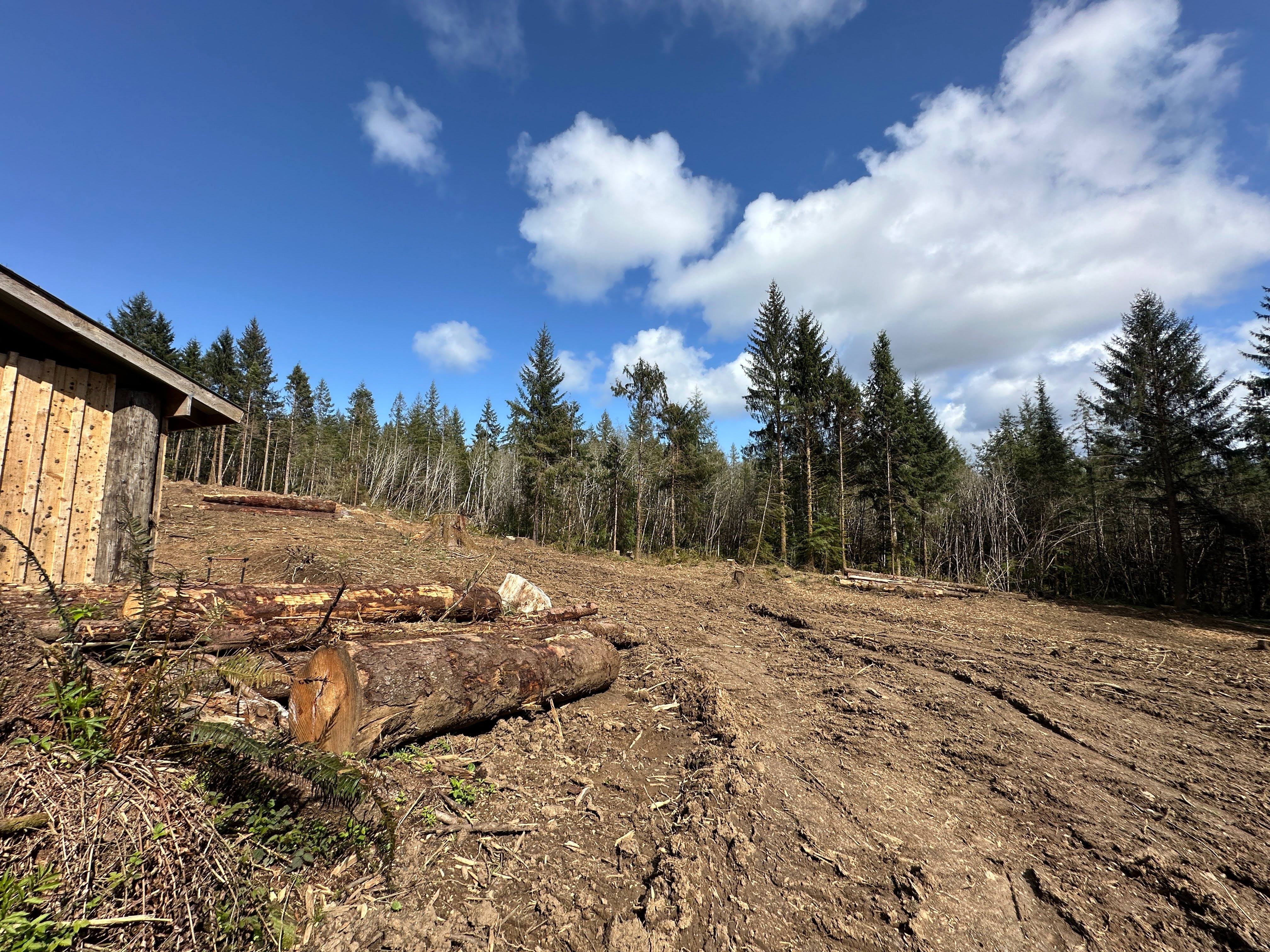
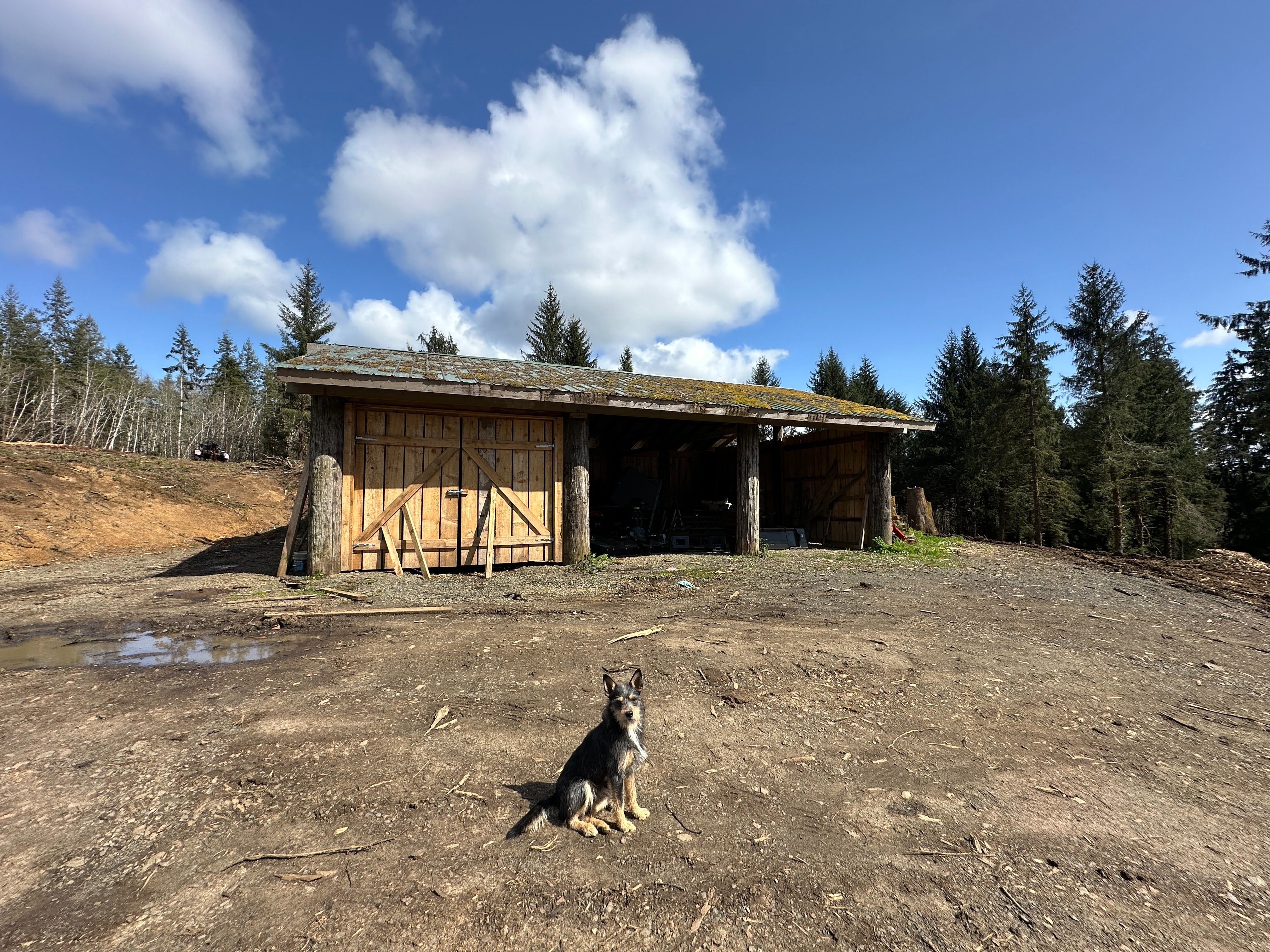
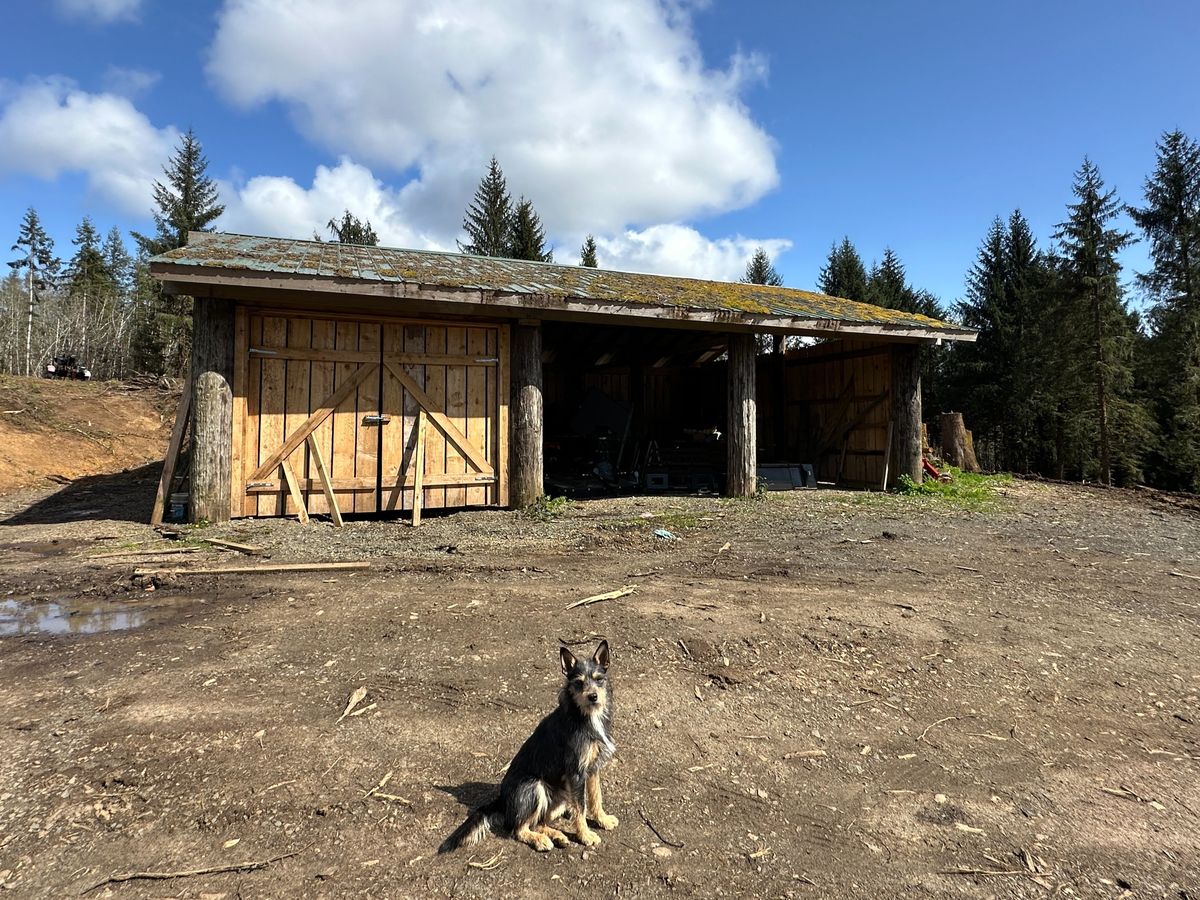
Astoria Harvest is a volunteer-powered organization with a vision: to transform a 5.23-acre property on the Oregon Coast into a free, organic food farm and community resilience hub for Clatsop County. In just 90 days, we've served over 750 families, distributed more than 1,000 coats, and built a network of volunteers, partners, and local supporters. Now, we have the land, the seeds, and the expertise to grow food and foster connection—but time is running out to get crops in the ground this year.
Six months ago, Astoria Harvest was an idea. Today, we're a six-site community resilience network serving 750+ families across Clatsop County, Oregon — built entirely by volunteers, on zero institutional funding.
That's not a typo. Six months. Zero budget. All community.
Here's what we've built:
We launched in November 2025 in response to SNAP benefit cuts that threatened to eliminate 828,000 meals annually in Clatsop County alone. What started as emergency food distribution from a donated warehouse has grown into a full mutual aid network — Food Swaps serving 200+ families at a time, over 1,000 coats distributed, 75+ volunteers showing up, and a 1,200+ member community network.
We've been developing these collective models for over two decades. There has never been a time when all of the pieces have fallen into place like this — and there has never been a time when these community spaces have been more needed.
Here's where we are right now — six sites, all active or secured:
1. Warehouse Receiving Center — 1305 8th Street, Astoria. 24/7 for donations. This is home base — where food, clothing, and supplies come in, get sorted, and go back out to the community.
2. Urban Community Commons. A clothing closet, skill-sharing space, and alcohol-free gathering place right in downtown Astoria. Workshops, community connection, and a "third place" where everyone is welcome. (Astoria does not have a great track record of alcohol-free hangouts. We're fixing that.)
3. Netel Grange — Rural Education Hub. SECURED. Netel Grange #410, a 116-year-old community hall in the Lewis & Clark Valley, has formally approved our community programming proposal. We have free access Monday through Thursday for agricultural education, food preservation workshops, seed swaps, community dinners, tool lending, repair café, and the recovery of skills our grandparents knew that we've lost. This partnership restores the original mission of the American Grange movement — connecting isolated rural communities through education and mutual support — updated for the knowledge gaps of our time.
4. Jeffers Gardens — Community Garden Plot. NEW. We've been offered a garden plot at Jeffers Gardens for community food production. Seeds in the ground this spring.
5. Lewis & Clark Community Garden — Garden Plot. NEW. A second garden space, 2.5 miles from the Grange, extending our rural growing capacity and connecting agricultural education directly to hands-in-the-dirt practice.
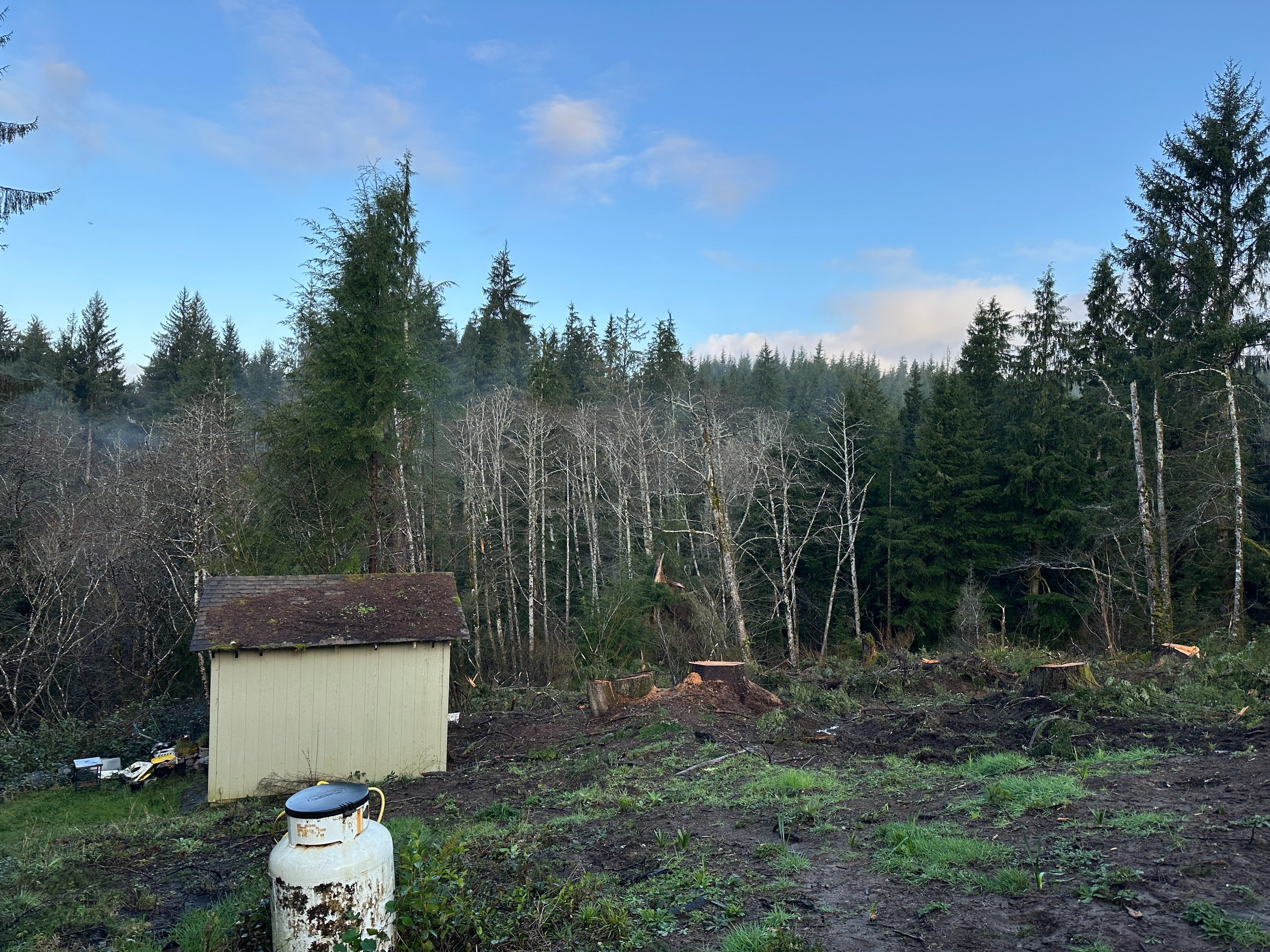
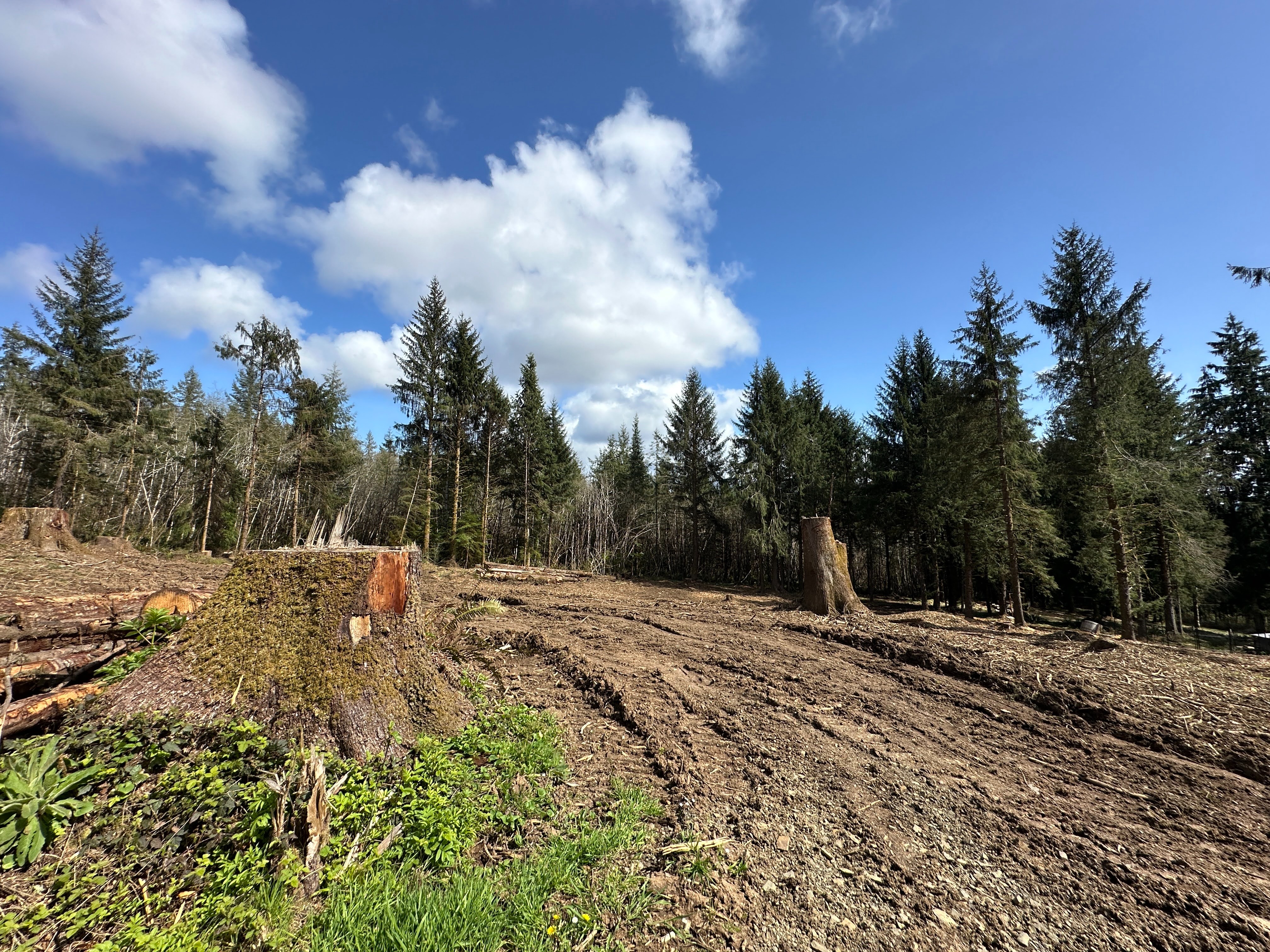
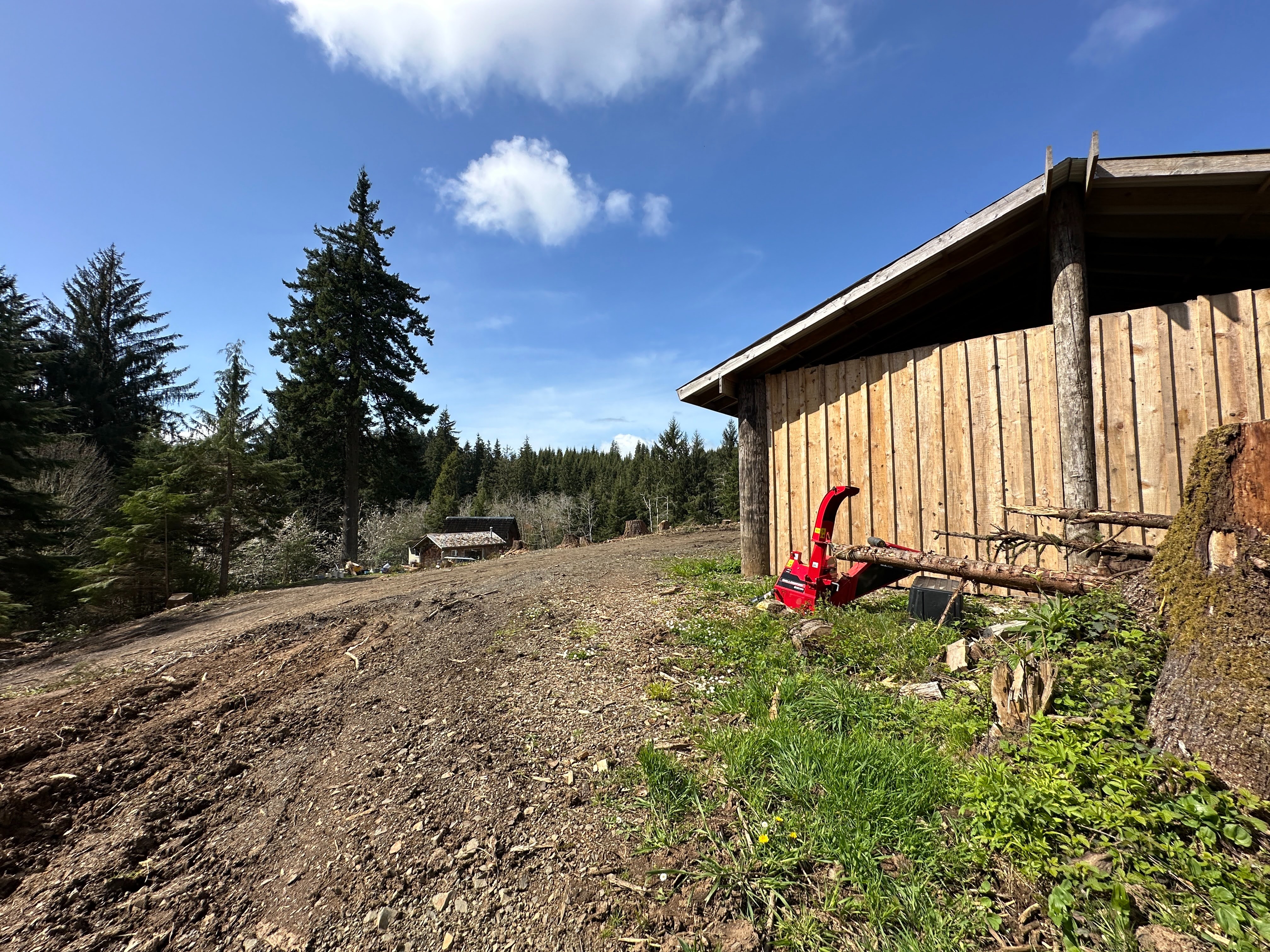
6. Liten Hobbit Stuga — 5.23 Acres on Wiley Lane. This is the long game. A team member has donated the use of a 5.23-acre property she has owned since 2018 to establish an experimental permaculture farm — community food production, agricultural education, and a model for what land-based community resilience looks like on the Oregon Coast. The property remains privately owned; its use is donated to the organization at no cost. Future phases will explore workforce housing in partnership with appropriate programs once our 501(c)(3) nonprofit status is finalized — but Phase 1 is getting the farm up and running, proving the model, and feeding people.
The reality on the ground:
The asks coming in are incredibly granular — gas cards to get to doctor's appointments, cat flea medicine, a single pair of shoes that fit. We have a contingency of people working invisibly to keep the dam from breaking. We all have our fingers in the holes.
Things aren't improving out here. The cost of food, the cost of housing, the systems that were supposed to help — none of it is getting better.
But our solutions are. Our connections are. Our community is.
What your donation does:
Every dollar stays local. Every dollar plants a seed.
$10 — A gas card that gets someone to a doctor's appointment
$25 — Keeps someone warm through the end of the month
$100 — Seeds and supplies for spring food production
$500 — Program materials for a season of workshops at the Grange
$1,000 — A month of emergency mutual aid capacity
What $30,000 unlocks:
$8,000 — Property transition and site preparation at Wiley Lane for spring food production
$7,000 — Garden infrastructure, seeds, tools, and supplies across three growing sites
$5,000 — Program materials for Grange workshops, River Mouth Thrift programming, and community events
$5,000 — Emergency mutual aid reserve (gas cards, immediate needs, the granular asks that keep people stable)
$3,000 — Organizational infrastructure (nonprofit filing, insurance, communications, website)
$2,000 — Transportation and logistics (getting donations, food, and supplies where they need to go)
Why this works:
The metaphor we keep coming back to is grouting between the tiles. The agencies, the nonprofits, the government programs — those are the tiles. But people fall through the gaps. We're the grout.
Every skill you don't have is a product someone can sell you. We're teaching people to need less, share more, and rely on each other.
Mutual aid isn't charity. It's neighbors showing up for neighbors. It's building systems that don't require a grant cycle or a government permit to function. It's saying yes when people need help and figuring out the how together.
We've proven what's possible in six months with almost nothing. Imagine what's possible with actual resources.
What's next:
We are in the process of formalizing as a 501(c)(3) nonprofit through the American Humanist Association, which will allow us to accept tax-deductible donations, apply for grants, and build the institutional partnerships needed for future programs — including experimental workforce housing on the Wiley Lane property. That's the long-term vision. Right now, we need to get seeds in the ground, stock our programming spaces, and keep the mutual aid flowing.
If you can't donate:
Share this. Tell someone. Show up at a Food Swap. Donate items at 1305 8th Street anytime — 24/7 access. Volunteer. The network is the resource.
With deep gratitude,
Astoria Harvest Community Network
astoriaharvest.org
Venmo: @astoriaharvest
Astoria Harvest Community Network is a community mutual aid organization serving Clatsop County, Oregon. 501(c)(3) nonprofit status pending.✨